
Business Growth Blog
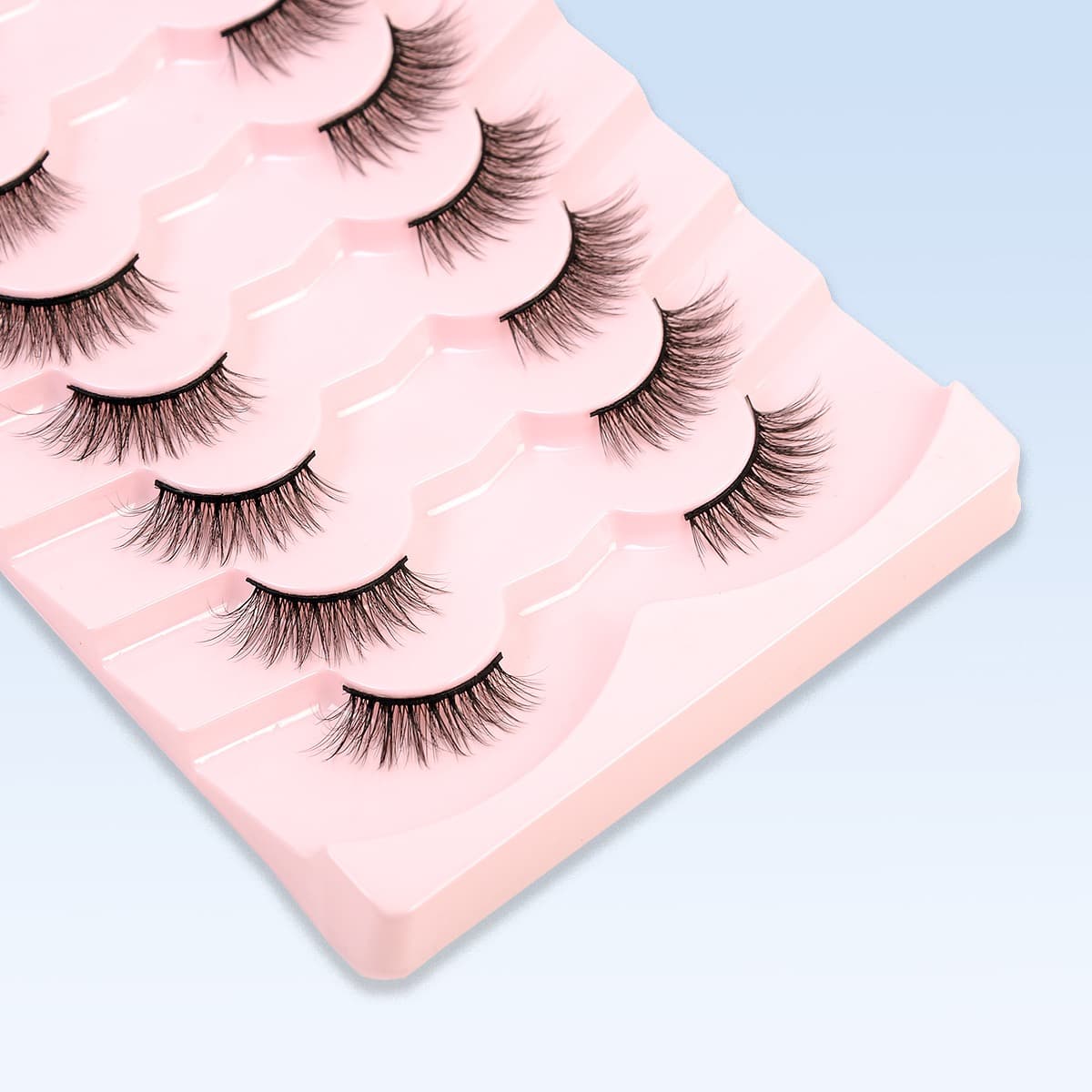
Observations on False Eyelash Export Trends in 2026
Entering 2026, the false eyelash export industry remains on a growth trajectory, but the competitive dynamics have shifted significantly. Multiple market research firms predict that the global false eyelash market will continue to experience annual compound growth of around 5%–7% until 2026. The European market also has room for steady expansion by 2030. This indicates that overseas demand persists, but buyers’ priorities have shifted from “low-cost purchases” to “stable deliveries, compliance, and product differentiation.” oai_citation:0‡Grand View Research
In terms of product trends, export opportunities in 2026 will lie in two categories: products that are more natural, lightweight, and suitable for everyday wear; and designs that are more visually appealing and ideal for sharing on social media. According to industry data, strip-style false eyelashes remain the most popular, but single-piece, individualized products are growing faster. For Chinese manufacturers, this means relying less on traditional bestsellers and focusing instead on improving sample production time, flexibility in handling small orders, and the ability to develop custom designs. oai_citation:1‡Grand View Research
In terms of distribution channels, cross-border e-commerce, independent online stores, and brand customization will continue to shape the export landscape. Buyers increasingly value partnerships that enable fast replenishment and effective marketing through content. Therefore, manufacturers who can deliver small batches, multiple shipments, and short lead times will have a competitive advantage. Meanwhile, white-label wholesale still exists, but profits will be under pressure. Future growth is likely to come from custom-made products, combo sets, accessory bundles, and high-repurchase-value supplementary products like adhesives. oai_citation:2‡Mordor Intelligence
It’s important to note that export barriers are rising, especially in the European market. Since 2025, the EU has tightened regulations regarding cosmetic compliance, ingredient restrictions, and safety documentation. Some ingredients used in eyelash adhesives are also subject to stricter controls. For false eyelash manufacturers, success will depend not only on product design and pricing but also on compliance with labeling requirements, material specifications, testing documents, formula compliance, and the ability to cooperate with customer inspections. Those who can provide comprehensive compliance documentation will be better positioned for long-term partnerships. oai_citation:3‡Cosmeservice
In summary, there are still opportunities for false eyelash exports in 2026, but the industry is moving towards a model characterized by branding, compliance, and flexibility. China’s supply chain still has advantages in terms of production capacity, cost-effectiveness, and response time. However, those who will truly succeed in the future are not just manufacturers, but integrated suppliers who can handle product development, packaging design, compliance issues, and stable deliveries all in one.